A42-POL-039 // HISTORICAL CLAIM REVIEW
The Popish Plot: Titus Oates's Fabricated Conspiracy
Assessment: The Popish Plot was a false conspiracy allegation with devastating real consequences.
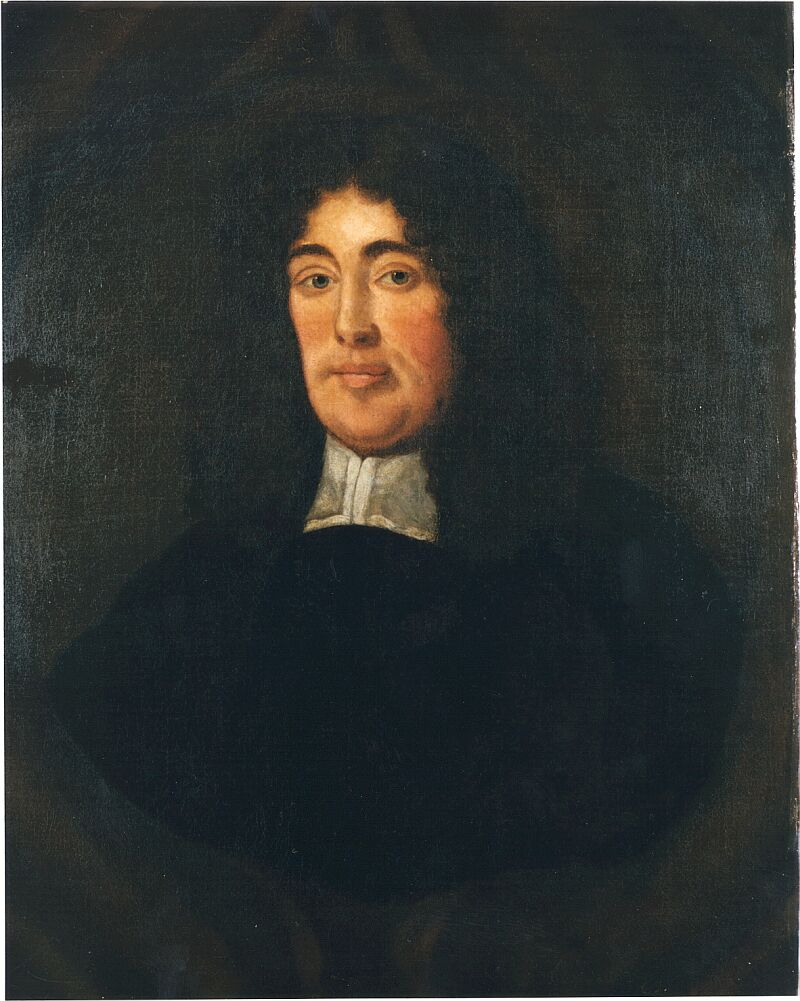

The precise allegation
Titus Oates claimed in 1678 that Jesuits and English Catholics planned to assassinate Charles II and replace the government. The alleged plot was largely fabricated, but it generated executions and persecution. This case is not a hidden successful conspiracy; it is a political fraud amplified by anti-Catholic panic, unreliable informants, and authorities willing to credit sensational testimony.
Chronology and political context
Oates and accomplices offered claims of secret meetings and assassination plans during a period of succession anxiety and religious conflict. Parliament responded with investigations and anti-Catholic measures. Informants' testimony led to wrongful convictions and executions, including that of Oliver Plunkett in 1681. By 1685 the evidence against Oates had collapsed, and he was convicted of perjury.
Primary historical record
Parliamentary proceedings, trial records, Oates's depositions, and his 1685 perjury conviction provide a detailed paper trail. These primary sources demonstrate how accusations changed and contradicted one another. They were created in a partisan legal environment, but later scrutiny and acquittal of some accused men exposed major reliability failures.
Corroboration and contrary evidence
Historians generally agree that no coherent Catholic assassination plot matching Oates's story existed. Independent scholarship reconstructs contradictions, fabricated meetings, and political use of the panic. Some historians note genuine Catholic political activity and succession tension, but those real conditions do not corroborate the specific assassination conspiracy.
What remains uncertain
It is difficult to reconstruct every private interaction among informants and political patrons, and some historians differ about the exact degree of elite orchestration. The absence of a real plot is not the same as proof that every Catholic accused had no political ambition. Individual convictions must be assessed separately from the sweeping narrative.
Calibrated verdict
The Popish Plot was a false conspiracy allegation with devastating real consequences. Oates's claims were discredited, and no reliable evidence establishes the mass murder plan he described. The episode demonstrates how fabricated testimony can become policy when institutions reward claims that confirm existing fears and political interests.
What evidence could change this assessment
Newly found contemporary evidence would need to independently corroborate operational planning, not merely repeat Oates's claims, to revive any portion of the allegation. For the accusation's political sponsorship, private correspondence among patrons and informants could refine responsibility. Such evidence would not erase the documented perjuries and wrongful convictions.
Sources and source limits
- UK Parliament — The Popish PlotInstitutional overview of the panic and political setting; concise and not a full treatment of every trial.
- Oxford Dictionary of National Biography — Titus OatesScholarly biographical account of Oates and perjury; subscription access may be required.
- Encyclopaedia Britannica — Popish PlotConcise reference describing the false allegation; tertiary source useful for orientation, not detailed trial analysis.