FILE UPSTREAM/COLLECTION // 2008–present
NSA Upstream Collection
Upstream collection acquires some internet communications with provider assistance at network infrastructure under Section 702. Oversight records confirm the method but leave unresolved the scale of incidental collection and filtering.
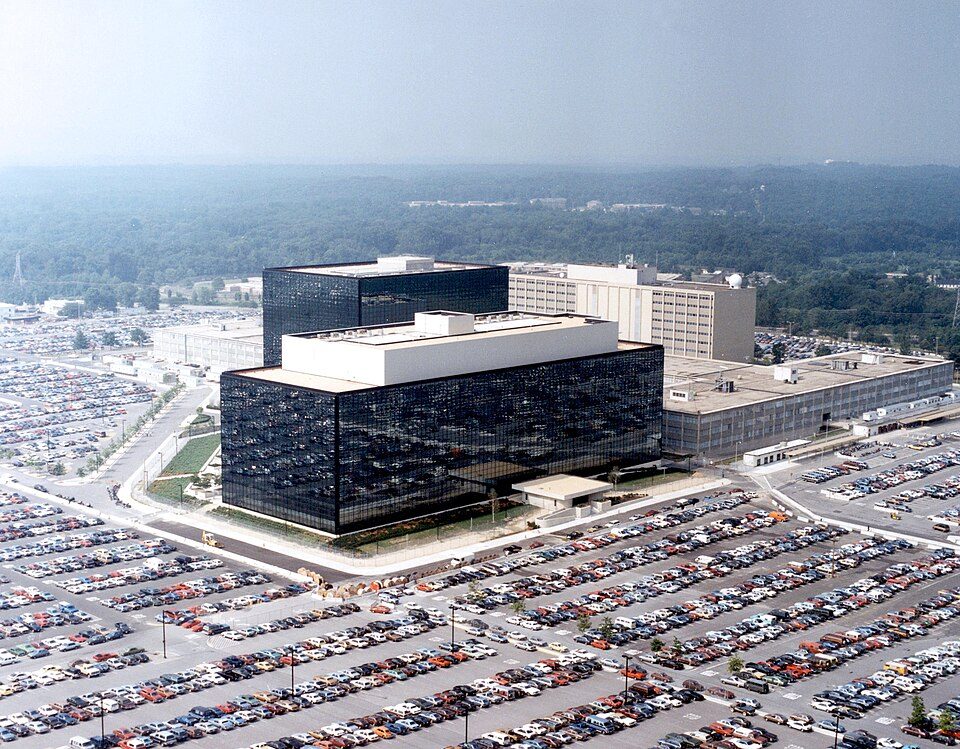

CASE ANALYSIS
What the record supports
CLAIM AND BOUNDARY
Upstream is the NSA’s term for acquiring certain internet communications with telecommunications-provider assistance at or near network backbones under Section 702. The method is confirmed by oversight. Claims that the agency stores every internet communication or routinely reads all traffic are unsupported by public records.
CHRONOLOGY AND CONTEXT
The practice evolved from earlier signals intelligence and became part of Section 702 after 2008. Snowden disclosures revealed the category; FISA opinions and PCLOB reports described ‘about’ collection and technical constraints. In 2017 the NSA ended collection of certain ‘about’ communications while continuing other upstream activity.
DOCUMENTARY EVIDENCE
PCLOB reviews and declassified FISA Court opinions describe provider-assisted acquisition, selector filtering, and compliance concerns. Government disclosures confirm communications may be incidentally acquired. These records establish both a significant collection method and safeguards subject to review, but they omit technical details needed for independent verification.
CONTRARY EVIDENCE AND ALTERNATIVES
Officials say selectors and filters prevent indiscriminate collection; ending ‘about’ collection shows policy changed under oversight. Critics emphasize incidental U.S.-person data and limited public auditing. Neither position proves total capture or negligible incidental collection. Acquiring data temporarily is not the same as retaining, reviewing, or disseminating every packet.
UNCERTAINTY
Network architecture and classified rules make estimates difficult. ‘Upstream’ changed over time, and ending one category did not end all backbone collection. The public cannot inspect logs or test minimization claims. Older descriptions should not be projected onto current operations without evidence.
CALIBRATED ASSESSMENT
Upstream is real and can acquire communications traversing selected infrastructure, but ‘the NSA saves and reads everything’ is unsupported. Main unresolved issues concern incidental collection, selector accuracy, retention, and querying. Oversight findings matter, yet remain incomplete because technical evidence is largely classified.
WHAT WOULD CHANGE THIS
Unredacted court opinions, provider logs, and independent audits could quantify incidental acquisition and filtering. Universal capture would require evidence of routing and retention at scale. A single selector match establishes only collection under that selector, not a dragnet over all users.
DOCUMENT TRAIL
Sources & limitations
- PCLOB Section 702 reportExplains upstream and policy changes while omitting classified technical detail.
- ODNI, Section 702 annual reportGovernment report provides operational data selected for public disclosure.
- FISA Court opinionsOfficial repository has selected declassified rulings, not every proceeding.