FILE SECTION/215/METADATA // 2006–2015
Section 215 Bulk Telephone Metadata
The NSA collected domestic call-detail records in bulk under Section 215. Courts later rejected the government’s statutory interpretation; metadata collection should not be confused with recording calls.
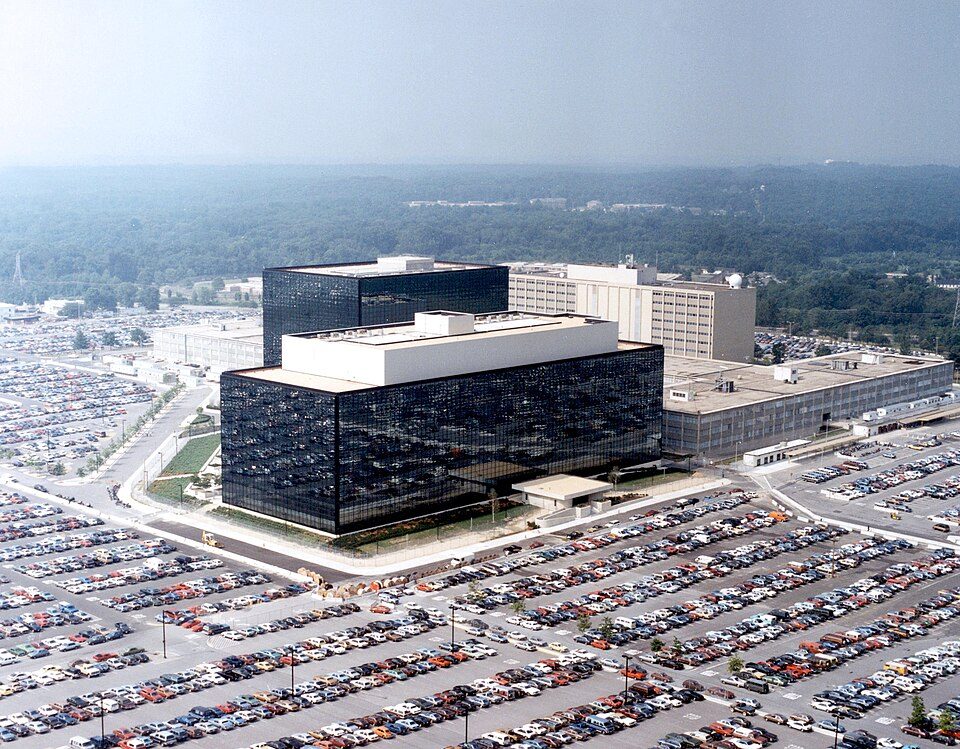

CASE ANALYSIS
What the record supports
CLAIM AND BOUNDARY
The NSA collected domestic telephone metadata in bulk under Section 215 of the PATRIOT Act. Records included numbers, time, and duration, not call audio. The secret program and broad statutory interpretation are documented; the claim that the NSA recorded every conversation is false for this program.
CHRONOLOGY AND CONTEXT
The program began after 9/11, with FISA Court orders requiring providers to produce call-detail records. It became public in 2013. Congress enacted the USA FREEDOM Act in 2015 to end bulk collection under Section 215 and replace it with a more targeted system; appellate courts later questioned the earlier interpretation.
DOCUMENTARY EVIDENCE
FISA orders, PCLOB’s 2014 report, ODNI disclosures, and ACLU v. Clapper document operation and legality. The Second Circuit held Section 215 did not authorize the bulk program. Official records describe metadata retention and queries, distinguishing these from call content.
CONTRARY EVIDENCE AND ALTERNATIVES
Officials said contact chaining could identify terrorist networks under court supervision. PCLOB found limited value and alternatives; courts rejected the statutory basis. Metadata can reveal sensitive associations even without content. Claims of stopping specific attacks require independent corroboration, not agency assertion alone.
UNCERTAINTY
Stored record totals and query counts vary by date and method; repeated records are not unique people. Schemas and audit logs are not public. Ending this authority in 2015 does not prove no metadata collection continued under different laws.
CALIBRATED ASSESSMENT
Bulk telephone metadata collection is established, not universal call recording. Its Section 215 basis was rejected by the Second Circuit, while oversight questioned necessity and effectiveness. The case demonstrates that metadata can be sensitive even when content is not captured.
WHAT WOULD CHANGE THIS
Complete query logs and independent evaluations could clarify utility and reach. A person-specific claim requires query records and selection chains. Call recording requires evidence of content acquisition, not inference from bulk metadata.
DOCUMENT TRAIL
Sources & limitations
- PCLOB, Section 215 reportIndependent review details scope and utility; some facts remain classified.
- Second Circuit, ACLU v. ClapperCourt rejected the statutory basis for bulk collection; it did not adjudicate every operational detail.
- USA FREEDOM ActStatutory text ends the prior bulk program and defines a successor framework.